Built To Spill Live 2026
Built to Spill's current live run carries the sprawling, guitar-driven character that has defined the Boise, Idaho band since its emergence from the Pacific Northwest indie scene. Led by Doug Martsch, whose melodic lead lines often unspool across extended passages, the group builds its shows on songs that rarely hurry toward a conclusion, letting a riff loop, thicken, and climb before settling back into a hushed verse. The mood in the room tends to be attentive rather than rowdy, with a crowd leaning in to catch shifts in dynamics and the interplay between guitars, bass, and drums. Much of the audience is made up of longtime listeners who have followed the band through many records, alongside younger fans drawn in by the warmth of the songwriting and the sense that no two nights quite match. This run stands out for its scope, stretching across a broad geographic spread and moving through a mix of venue types, from intimate rooms where the amplifiers feel close enough to touch to larger halls that let the wide arrangements breathe. A typical set moves at a steady, deliberate pace, with expansive stretches balanced by tighter numbers that keep momentum rolling from the first chord to the last. Whether you are returning for a favorite record or seeing the band for the first time, the dates table below lays out where and when they will play, so take a moment to review it and find a night near you.
Listen on Spotify
Built To Spill Tour Dates 2026
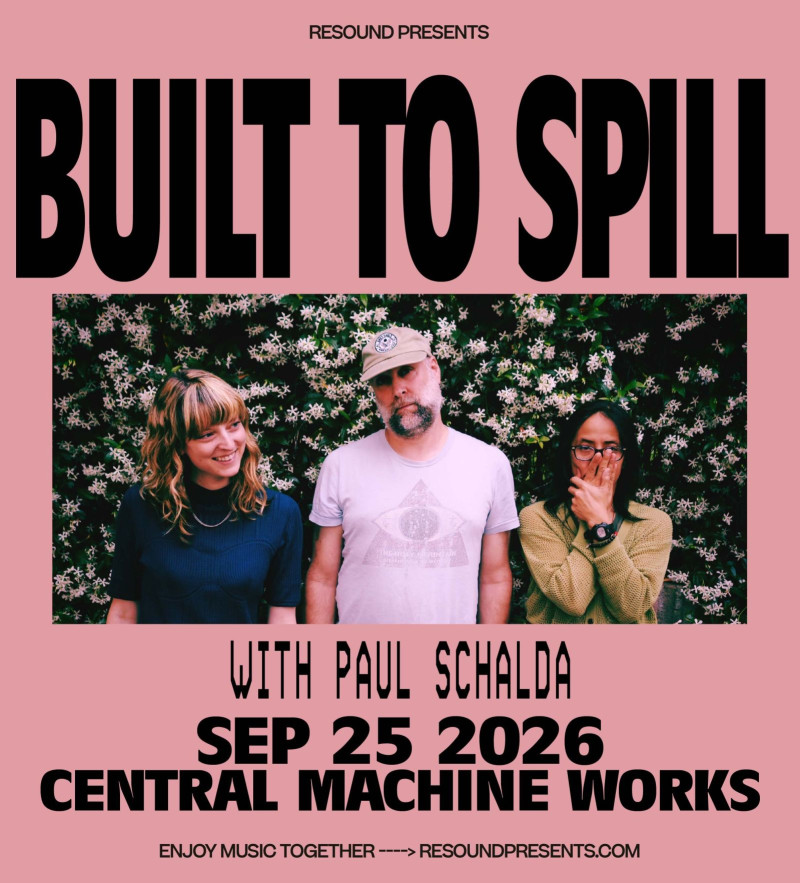
Tour Poster
Video
Photos
About Built To Spill
Built to Spill formed in Boise, Idaho, in the early 1990s around singer and guitarist Doug Martsch, who has remained the band's principal songwriter and most consistent presence through several changes in the supporting lineup. Martsch's clear, slightly nasal tenor sits over a sound built on interlocking electric guitars, with one part carrying melody and another filling space with chiming arpeggios and reverb-soaked bends. The rhythm section keeps a steady, unfussy pulse that lets songs stretch without losing direction. Their records blend indie rock's hushed, idiosyncratic songwriting with the long, exploratory guitar passages of classic rock, so a single track can move from a quiet verse to a sustained, searching solo without a clear seam.
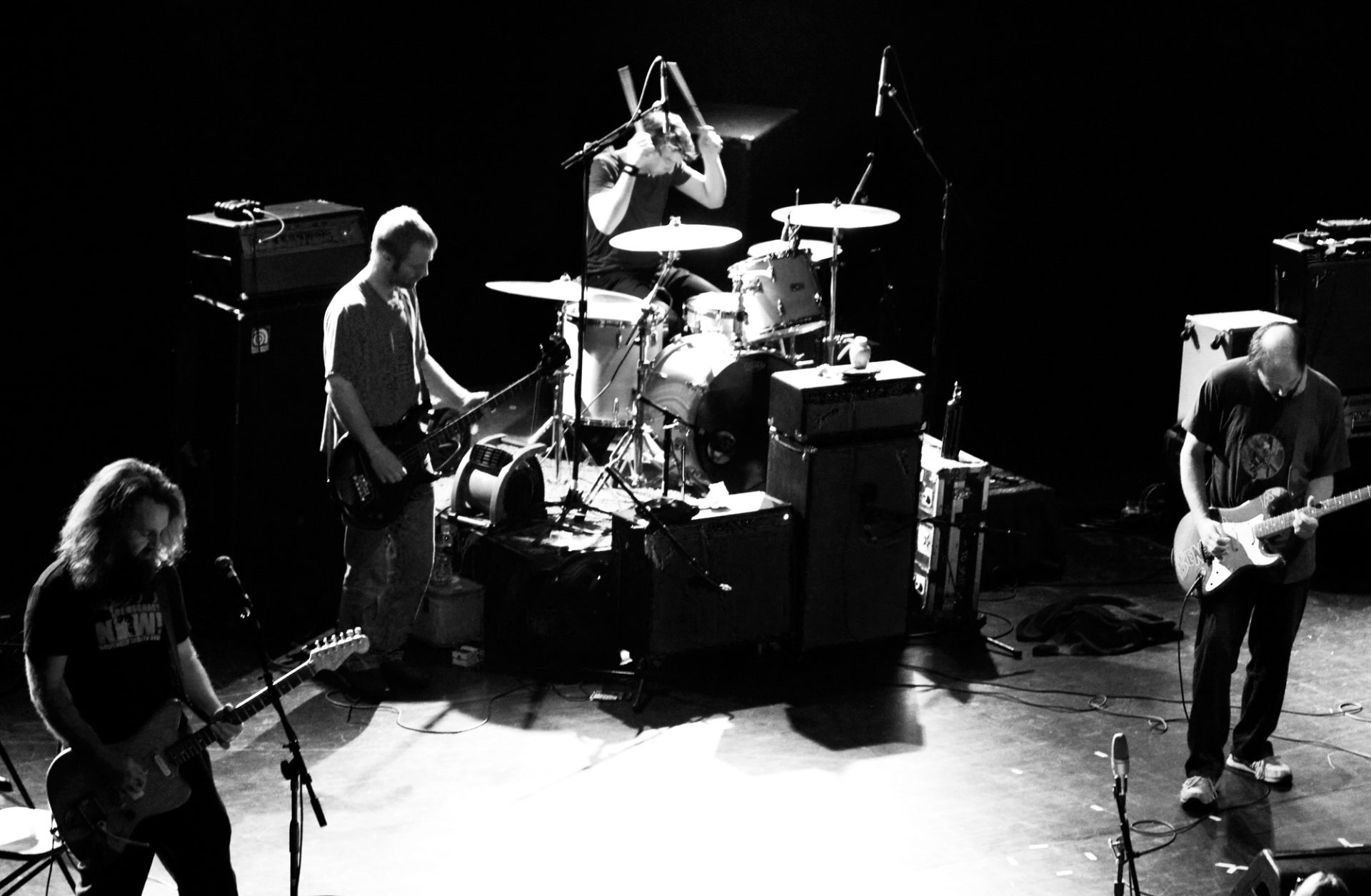
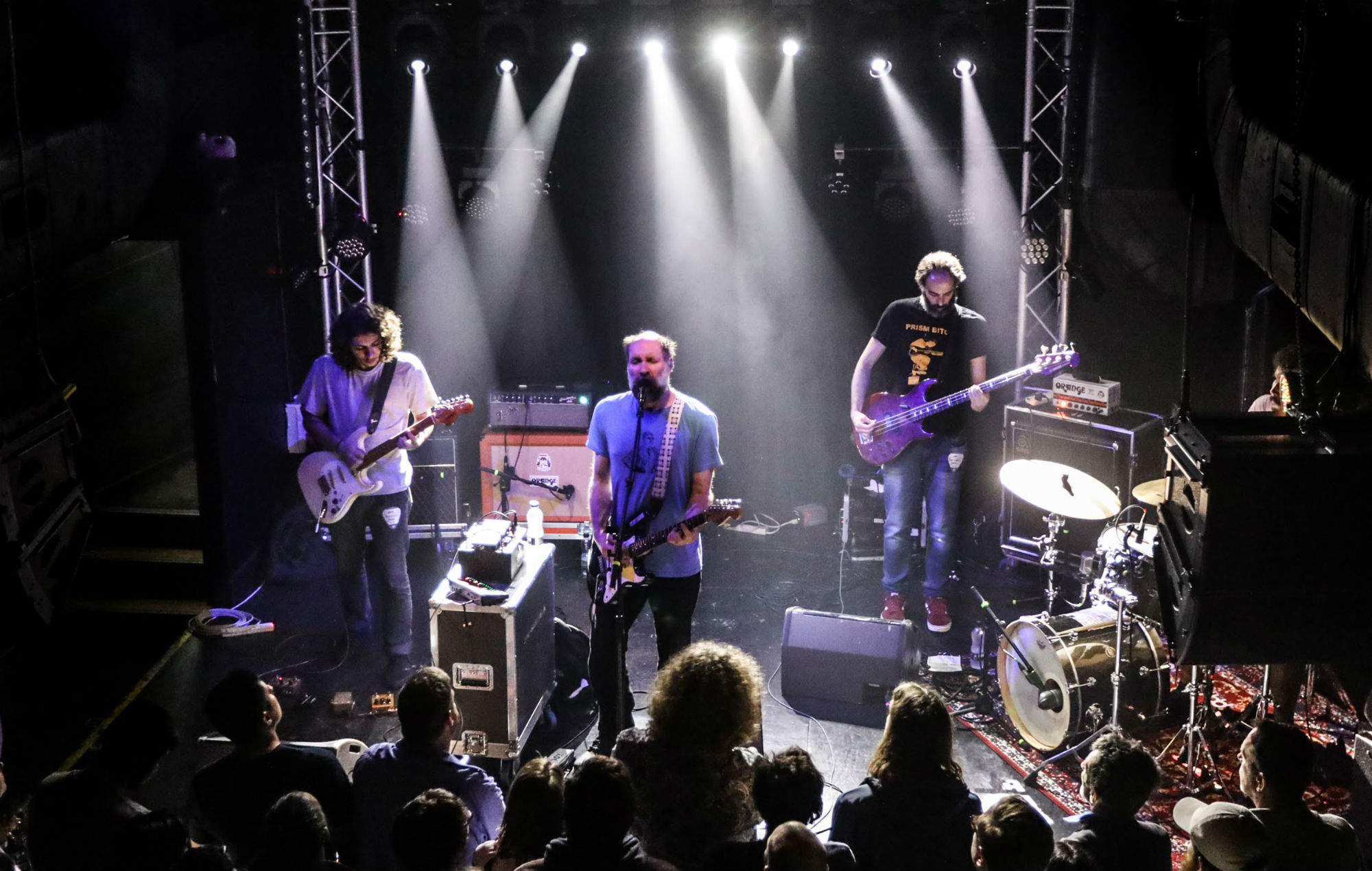
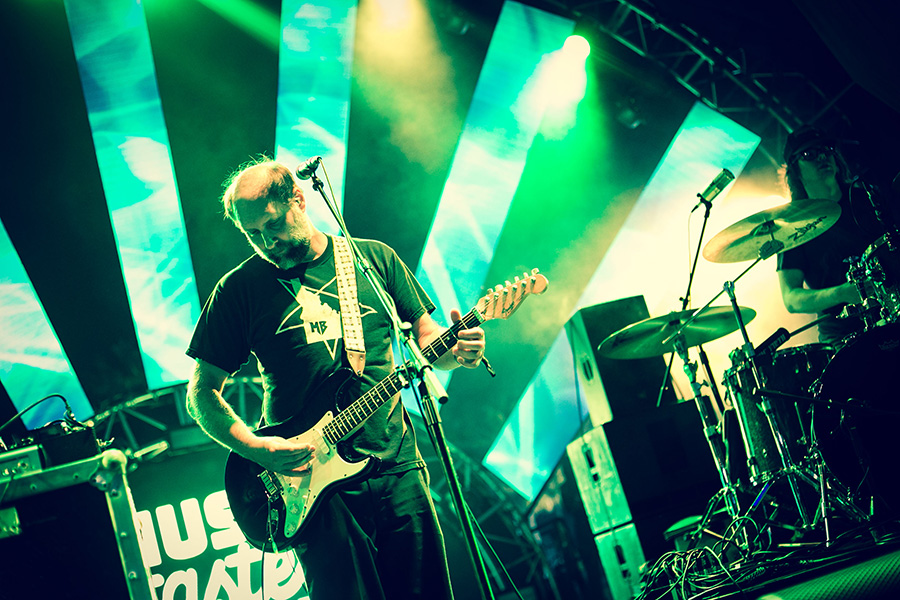
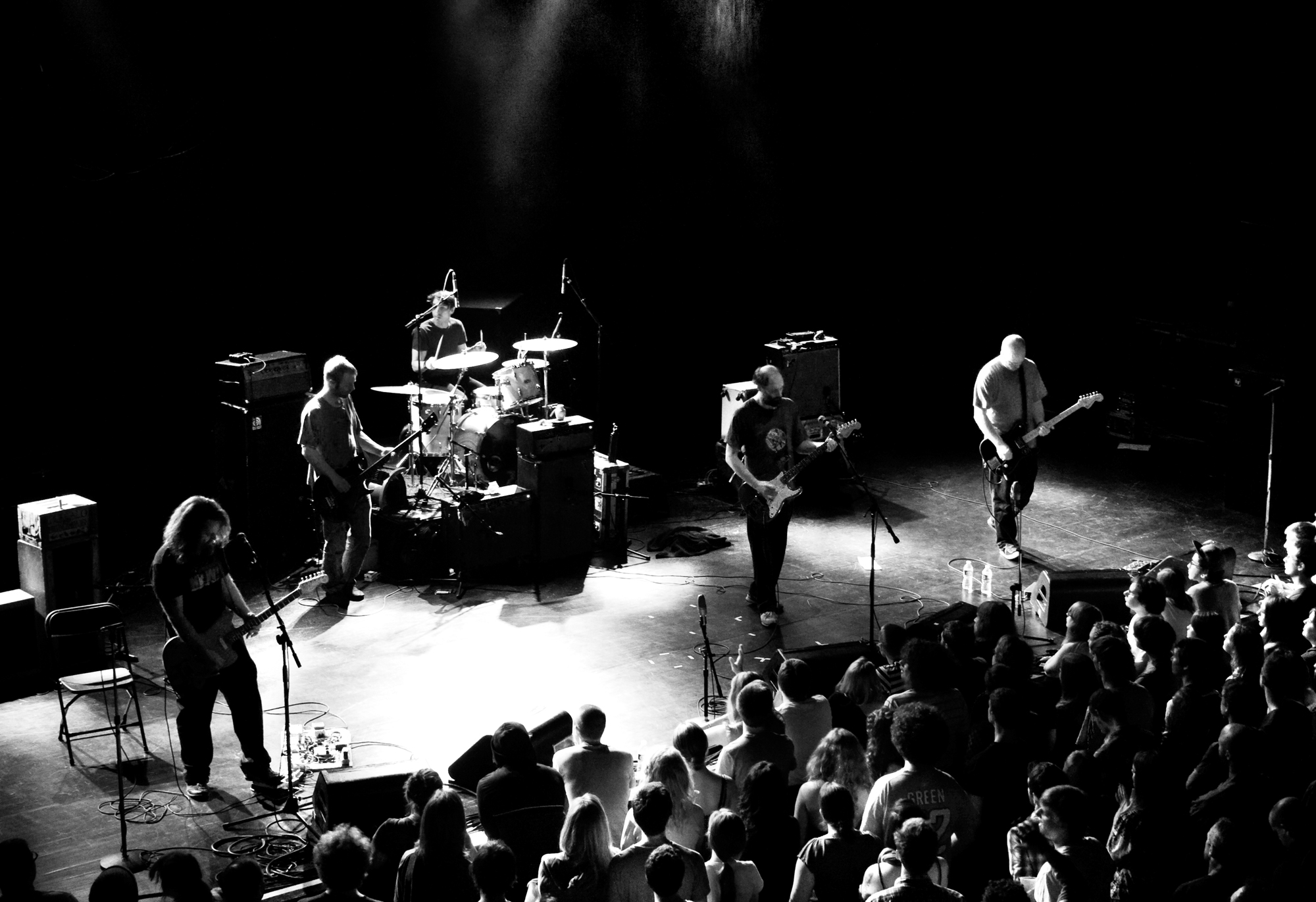
The current live show is built around that same balance of control and open-ended playing. Staging is typically restrained, with amplifiers, a few guitars, and lighting that shifts with the music rather than competing with it, so the focus stays on the performance itself. Setlists tend to draw from across the catalog, mixing older material with newer songs and giving the longer pieces room to breathe. Shows commonly run past two hours, and extended versions of familiar songs often differ noticeably from their recorded counterparts. The band usually plays rooms from mid-size clubs to small theaters, a scale where the guitar detail and vocal phrasing carry clearly to the back of the room.
Among the band's most cited releases are Ultimate Alternative Wavers, released in 1993, and Perfect From Now On, from 1997, which many listeners and critics regard as a defining statement of the band's approach. Keep It Like a Secret, released in 1999, extended that style with a mix of concise songs and longer instrumental arcs. The track "Car," from Perfect From Now On, is probably the most frequently referenced example of the band's extended form, moving from restrained opening passages into a sustained, building guitar section that has become a fixture of live performances. Later albums have kept the group's core approach while revisiting many of the same tools: patient songwriting, layered guitars, and an emphasis on the emotional payoff of a long build.
Built to Spill is usually discussed within the Pacific Northwest independent rock scene that grew in the 1990s, a community that also produced many of the era's most distinctive guitar-based bands. The group is often compared to other indie acts that favored extended songs and melodic guitar interplay, and it has earned a loyal following that spans generations of listeners who came to the band through records, friends, or live shows. Their audience tends to include guitar enthusiasts who enjoy hearing how songs are constructed and rebuilt in performance, longtime indie fans, and listeners who value long, uninterrupted musical ideas over short, tightly packaged hooks. Fans of classic guitar-oriented rock often find something familiar in the band's willingness to let solos develop at their own pace.
Practical expectations for a show are fairly consistent. Headline sets commonly last around two hours, sometimes with an encore that extends the night further, so attendees should plan for a long evening. Opening acts are often regional or independent bands whose style complements the headliner's guitar-focused approach, and arriving in time for the support set is worthwhile. The room usually feels attentive and focused: audiences tend to lean in during quiet passages and respond with energy during the big peaks of the longer songs, though the mood is generally relaxed rather than rowdy. The crowd is often mixed in age, with longtime fans standing alongside younger listeners, and the atmosphere is typically more concentrated on the music than on spectacle.
Readers planning to see the band can browse the upcoming dates listed below, which show the cities, venues, and ticket information currently available. Because schedules and availability change, it is a good idea to check each listing for the latest details before making travel plans. Attending a Built to Spill show is most rewarding for listeners who are willing to settle into long songs and follow the guitar work as it unfolds, and the dates below offer a range of rooms and cities to choose from. Whether you are a longtime follower of the band's records or new to their music, the upcoming shows are a good place to begin.
FAQs
Where can I buy tickets for a Built to Spill concert?
Tickets are usually sold through the venue's box office, the promoter's website, or major ticketing platforms. The most reliable place to check is the official Built to Spill website or social media accounts, which list authorized sales links for each tour date. Buying from official sources helps you avoid counterfeit tickets and inflated resale prices.
How much do Built to Spill tickets cost?
Prices vary by city, venue size, and whether the show is a headline date or part of a festival lineup. Ticket fees, facility charges, and taxes are often added at checkout, so the final cost may be higher than the listed face value. The event page for each show will display the current pricing and fee breakdown.
What is the age policy for Built to Spill shows?
Age requirements are set by each venue rather than by the band, so they can differ from one show to the next. Some venues admit all ages, while others require attendees to be 18 or 21 and older, particularly when alcohol is served. Check the venue's listing or contact its box office before purchasing tickets for a minor, and bring a valid photo ID if you need to show proof of age at the door.
Are VIP tickets or meet-and-greet packages available?
VIP options are not offered at every show. When they are available, they typically appear on the official ticketing page and may include benefits such as early entry, a dedicated merchandise area, or a reserved viewing section. Meet-and-greet opportunities are less common and are usually announced separately, so follow the band's official channels for updates on any special packages.
What is the refund policy if I can't attend a show or the concert is canceled?
Refund rules depend on the venue, promoter, and ticketing platform. If a show is canceled, you are generally entitled to a full refund, often including fees, though the process may take several weeks. If a show is postponed, your existing tickets usually remain valid for the new date. Tickets bought for a show you simply cannot attend are typically nonrefundable, so check the purchase terms and consider reselling through the official platform if one is offered.
Live tour and ticket guide
This is an independent fan-made guide to live events and ticket listings. This website is not affiliated with, sponsored by, or endorsed by Built To Spill, any venue, or any ticket provider. We may earn a commission from ticket and hotel links at no extra cost to you.
Follow Built To Spill